
Where gaps remain:
- Seaweed and algae: We lack reliable data on the global scale of seaweed and algae harvesting, its environmental impacts, and the availability of alternative resources. This limits our ability to assess sustainability, protect biodiversity, and support the use of seaweed as an eco-friendly substitute for agricultural products, biofuels, and more.
- Minerals and metals:. We are missing data on the location, scope, and intensity of deep-sea mining operations, as well as on viable alternatives such as mineral recycling. Without it, we cannot identify ecological risks, monitor cumulative impacts, or build science-based strategies to minimize harm from seabed extraction.
- Sand and gravel: There is little visibility into the scale and impact of sand and gravel extraction from the ocean. This makes it difficult to assess long-term consequences or to weigh the benefits of alternative materials such as recycled construction waste or manufactured sand.
Where data is strong: Fish and seafood harvesting data is among the most comprehensive. The RAM Legacy Stock Assessment Database tracks commercially fished populations globally, with records dating back to 1970. This data highlights where overfishing persists and where harvest patterns must shift to allow recovery. We can also see zones under the greatest pressure and areas where populations are stable or growing, offering opportunities for responsible fishing.
Why it matters: Sustainable harvesting is essential for restoring ocean abundance. Reliable data helps ensure that marine resources can support future generations while protecting vulnerable species. It also guides decisions on where and when to harvest, allowing fish stocks and other species time to recover.
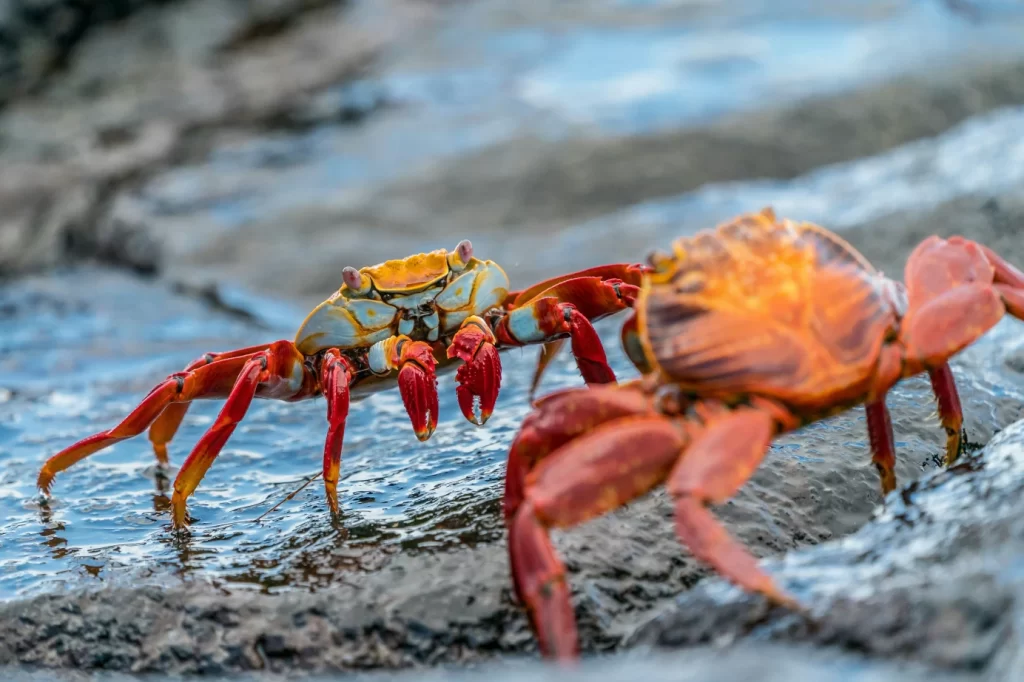
In 2025, SeafoodAI introduced CrabScan360, an AI-powered tool designed to automate crab measurement, sorting, and data recording.
This technology captures detailed attributes of each crab, such as weight and legal status, and uses the data to support compliance with sustainability standards and reduce waste.
The company plans to expand the technology to other seafood markets such as tuna, salmon, and shrimp.